Not all soccer balls are created equal. Whether you’re training for competition, practicing at school, or playing pick-up in the park, the right ball makes all the difference. This guide walks you through how to choose training soccer balls for your surface, skill level, and goals.
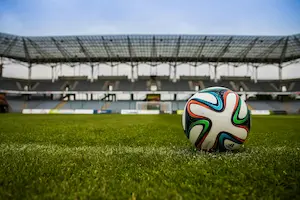
Image: Pexels – Pixabay
CONTENTS
show
⚽ Step 1: Match the Ball to Your Playing Surface
Training on grass, turf, or indoors? Each surface affects ball wear and performance. Use FIFA-certified balls for natural grass, rubberized, textured balls for turf and low-bounce futsal balls for indoor use.
📏 Step 2: Choose the Right Size by Age & Skill
Size matters. Use this rule of thumb:
- Size 3: Ages 8 and under
- Size 4: Ages 9–12
- Size 5: Age 13 and up (official match size)
💡 Pro Tip: Beginners benefit from slightly softer balls with more control and less bounce.
🏋️ Step 3: Prioritize Durability for Daily Training
Look for a PU or TPU outer layer with machine stitching. These balls last longer under frequent use. Avoid glossy promotional balls they’re slippery and don’t hold up well.
🎯 Step 4: Check the Touch & Feel Before You Buy
How the ball feels on your foot affects your passing, shooting, and dribbling. Choose a textured surface for better grip, and test bounce consistency if possible.
💰 Step 5: Budget Based on Use Frequency
If you train multiple times a week, invest in a mid-tier or premium ball. Occasional players can get great value under $30 with solid performance and longevity.
💡 Extra Tips for Training Soccer Balls Longevity
- Deflate slightly when storing for long periods
- Use a ball pump with a lubricated needle to avoid damage
- Rotate between two balls to extend lifespan
- Clean with mild soap and water—never bleach
- Avoid rough surfaces like concrete or gravel
🔗 Related How-To Guides:
⚽ The right soccer ball does more than roll straight – it helps build confidence, improve skills, and make every training session more productive. Choose wisely, and you’ll feel the difference from your first touch.